Redneck Reclamation
Learning from our Past to Create a Brighter Future

When I was a kid, I had a friend named Kenny. Kenny was a gangly Melungeon boy with a rat tail that hung down between his shoulder blades. Ten year old me was convinced I was going to marry this boy since the expectation for girls in my area was to get married as soon as possible and that fantasy was well placed in my head even at that age. It didn’t matter that who I actually wanted to spend my time with was the blonde girl two blocks up the road. I had constructed a future with Kenny. It was destiny. So we spent those summer afternoons hunting crawdads in the crick, digging for old steaks in the IGA dumpster to feed his Pit Bull, and eating Slim Jims while watching pro wrestling.
One day, my mother found out about these pastimes. She was furious. My mother got furious about a lot of things. “You are not to hang out with that boy”, she said. “I’m not going to have you grow up to be white trash.” My mom thought a lot of things were “white trash”. She was a registered nurse who had put herself through college while raising me after my dad R-U-N-N-O-F-T to be with his mistress in Seattle and carried an air of arrogance with her over it.
My stepfather (who I will be referring to as my actual father throughout this because he was) was equally horrified by the thought of being “white trash”. He saw his family of blue collar factory workers as “white trash”. Hillbillies. Rednecks. My alcoholic Papaw who turned to violence every time he was annoyed. My mamaw who covered herself in sequins and blew all her money on slot machines. My uncle, who spent his days drinking beer while listening to KISS in the garage. It didn’t matter to him that all those people actually made more money than him, especially since he was still paying off his student loans.
Being “white trash” seemed less about the actual income, and more about a certain vibe. An aesthetic. And when you don’t actually have that much money (and my parents didn’t at that time, though they both got pretty substantial promotions when I was in high school) the only way to obtain that kind of aesthetic is through debt. Incredible amounts of credit card debt. My parents were so good at maintaining this facade that a lot of my friends saw me as “the rich kid”. I saw myself that way.
I grew up feeling that being a hillbilly was a shameful thing to be. That it is something you should avoid being at all costs. That, even though my mother used food stamps before she was remarried, using food stamps was a shameful thing to do. It was for leeches on the system. My family saw my mother’s food stamps as belonging to someone who actually needed them. Everyone else’s food stamps were just a crutch.
My parent’s culture was Target. It was Limited Too. It was Olive Garden. It was all those expenses racked up on credit cards that then got paid off by my maternal grandparents. It was family portraits hung up on the walls to remind my mother that we were better than everyone around us. My parents' only contentment were the baubles provided by capitalism and their ability to lord it over others even though they couldn’t actually afford them.
It was only in those moments that we actually gave in to “the culture” that there was any real joy. Fishing with my Papaw and feeding his chickens. Eating my grandpa’s freshly killed deer meat. Going to the county fair. Shucking corn. Making biscuits with my aunt at 6am so they’d be ready by the time everyone else got up.
I loved my Aunt’s house growing up. I loved how it always smelled like cigarettes and bacon. I loved the raspy voice of this old indigenous woman. I loved the way she and my grandmother, our matriarch, laughed like they were still schoolgirls when they were together. My aunt and my grandmother, that's where the warmth was. Where the love was. It was not in the department stores or the shopping malls. It was in all those little moments where I was with my grandmother. All those little moments where my family let their guard down and just admitted that the fried chicken at the local diner was just plain better than it was at the chain restaurants.
And as quickly as I learned that being a redneck was something shameful, I also became acutely aware of our cultural issues. The rampant poverty. The drug and alcohol addiction and the subsequent domestic abuse. The racism. The homophobia. Especially after 9/11, the dominant culture of my area seemed to crystallize around hating Muslims. Black and brown people who lived in town were ok. So were, to some extent, the gay people. But there were these other, mythical black and brown and gay people who were violent perverts who did nothing but sell drugs and shoot each other and work as prostitutes. Never mind we had plenty of people in our own town shooting each other and selling drugs and doing sex work. Those folks were the white trash, unless they were your family, at which point, they had ‘fallen on hard times and would snap out of it any day now”.
In my 20’s I married a hillbilly man, much to my parents’ dismay, before realizing something queer was happening that wasn’t going to allow that relationship to work. (I was trans, but at that point, I had just become convinced I was a lesbian).
I ran away. I ran as far away from being a hillbilly as I possibly could. I ran to New York. I ran to California. But I realized I never really fit in anywhere. At least not with other white people. Other white people found me brash. Crude. A bit too honest for their sensibilities. They’d hear the slight twinge of my accent I hadn’t managed to cover and side eye me. I wasn’t to be taken seriously as a writer or a creative. I was white trash.
But in black neighborhoods, latino neighborhoods, that's where I actually felt welcome. They had a lot of the same problems my town did. Poverty, drug addiction, homophobia. But there was warmth there. Good food. Love. Community. All those things I desperately craved growing up that my parents seemed to despise. People who set off fireworks. Who had cooked good food. Who listened to music and danced. These people were no different than us. There was no mythical black or brown person that was just violent for no reason. That didn’t exist. The “bad neighborhoods” were just the same as the trailer park.
It wasn’t until I was in my mid 20’s that I started to really love who I was and where I came from. The cities were nice, and full of lovely people, but I craved nature. I craved homemade biscuits. I craved bluegrass and putting my toes in the crick and the sound of the cicadas. So when I got pregnant, I came home. And for the first time, I tried to love Appalachia. To really love it. To cast off all that shame. And what I found was a beautiful, vibrant, multiracial culture. A culture with a thriving queer community and quite a few interracial families. A culture with a history that wasn’t just lost, but intentionally hidden. Radical, socialist and anarchist labor movements. A matriarchal family structure that I had grown up in but hadn’t even noticed. Birth, death and wedding rituals that had been passed down to me via cultural osmosis. I was an Appalachian. A hillbilly. A redneck. And I took pride in that.
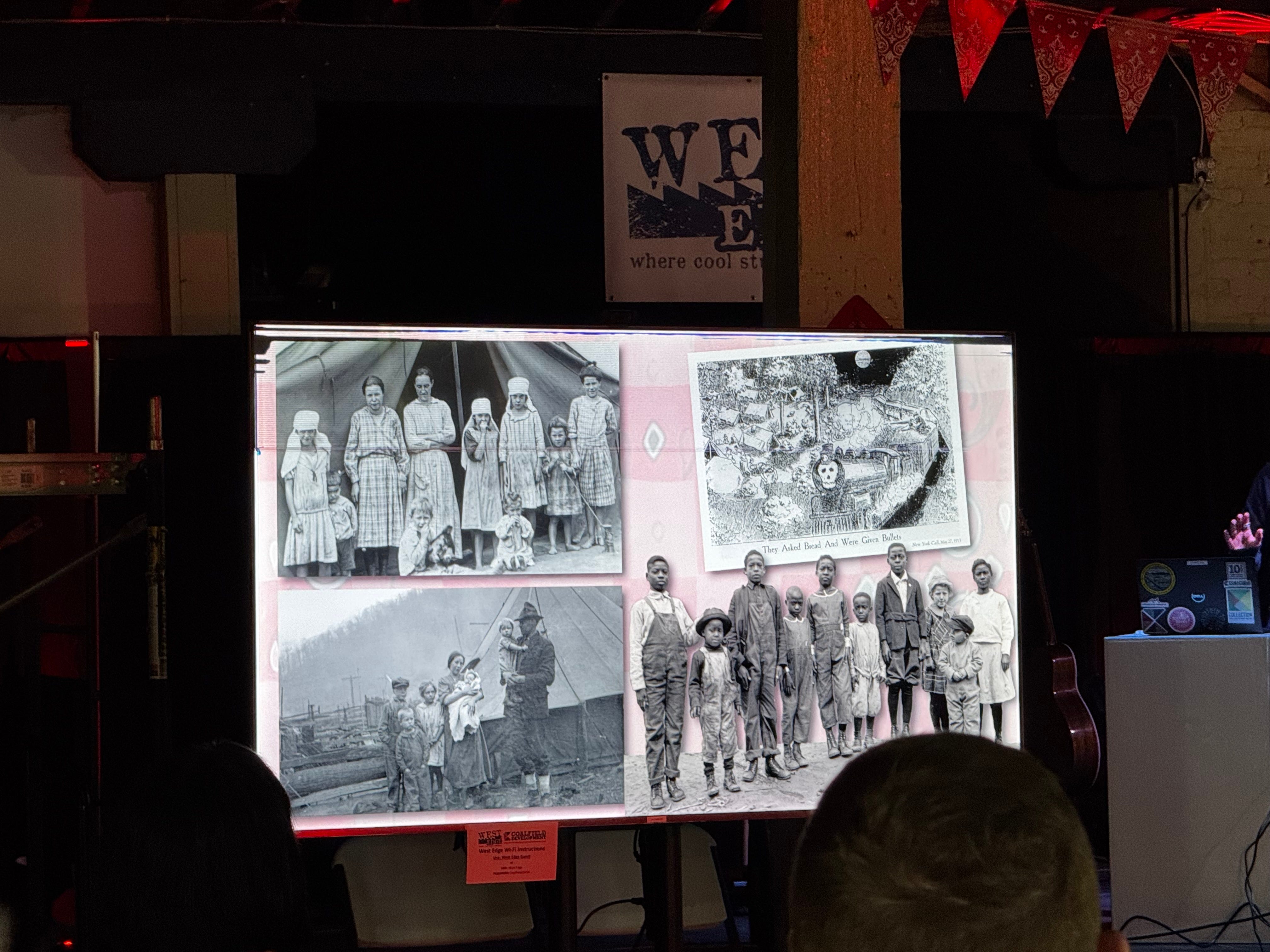
That was just a couple years before Donald Trump became president and MAGA swept through like a plague. A cultural rot that fed on all the fear and shame. That took the worst parts of our culture, the racism, the homophobia, the isolationism, and amplified it. It preyed on the distrust of the government that had been in our blood since Blair Mountain and that had solidified through NAFTA and the opioid epidemic and the years of poverty, and it created a simulacrum culture. A culture that promised Appalachians a seat at the table and turned them even further away from other working class people. It had been infiltrating for years. Through the churches that preached prosperity gospel. Through the radio shows that masked bigotry as truth. Through the schools that were more than happy to bury any mention of The Mine Wars or socialism or anarchism. Through the shady employers with training videos that discouraged unions, instead encouraging “a workplace environment of familial love based on mutual trust between employer and employee”.
All that beauty, that culture, that warmth ran down the mountains and into the streams like coal dust. This place became cold. Empty. MAGA promised cheap eggs. Cheap gas. An end to all those “illegals bringing drugs to your town” and those “queers who want to steal and indoctrinate your children so they go to Hell” and all those “welfare queens who take all the government’s money so the roads don’t get fixed”. MAGA is not a keeper of Appalachian culture. Its a cultural Siren that stands with blonde hair and big tits draped in an American flag, whose only goal is to hold our heads under our polluted water until we stop breathing.
And we were forged into a gun. Just as we have been time and time again. A broken, backfiring gun that shoots out in all directions. A bulwark against solidarity. The mine bosses used the same tactic, then the government covered up any evidence of progress made through diversity so they could keep using it. But they couldn’t get rid of it completely. Because we tell stories. We’ve always told stories.
Stories of the devil showing up to town in a suit to make deals of prosperity at the cost of your soul. Stories of mine workers who still dwell in their final resting spots all those years later. Ghost tales of women who haunt the men who abused them in life. Monsters who roam in the woods that just happened to hold someone’s pot farm or moonshine still. Mysterious men in black who come to town asking a few too many questions. Stories, stories, endless, vibrant, beautiful stories. The one thing that no one can take from us as long as we make an effort to preserve them. The “creepiness” of Appalachia isn’t some cultural quirk. It is a method of survival.
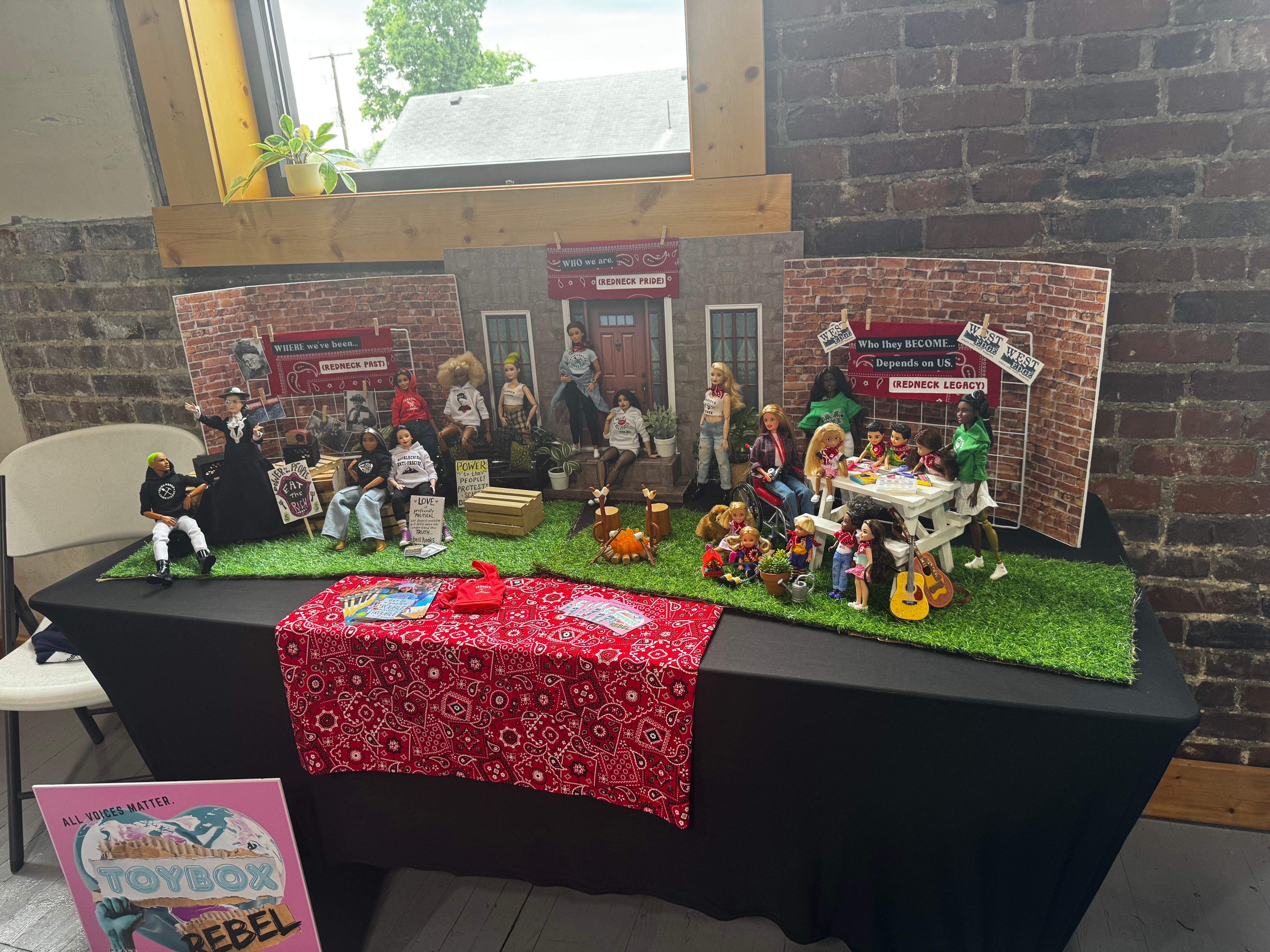
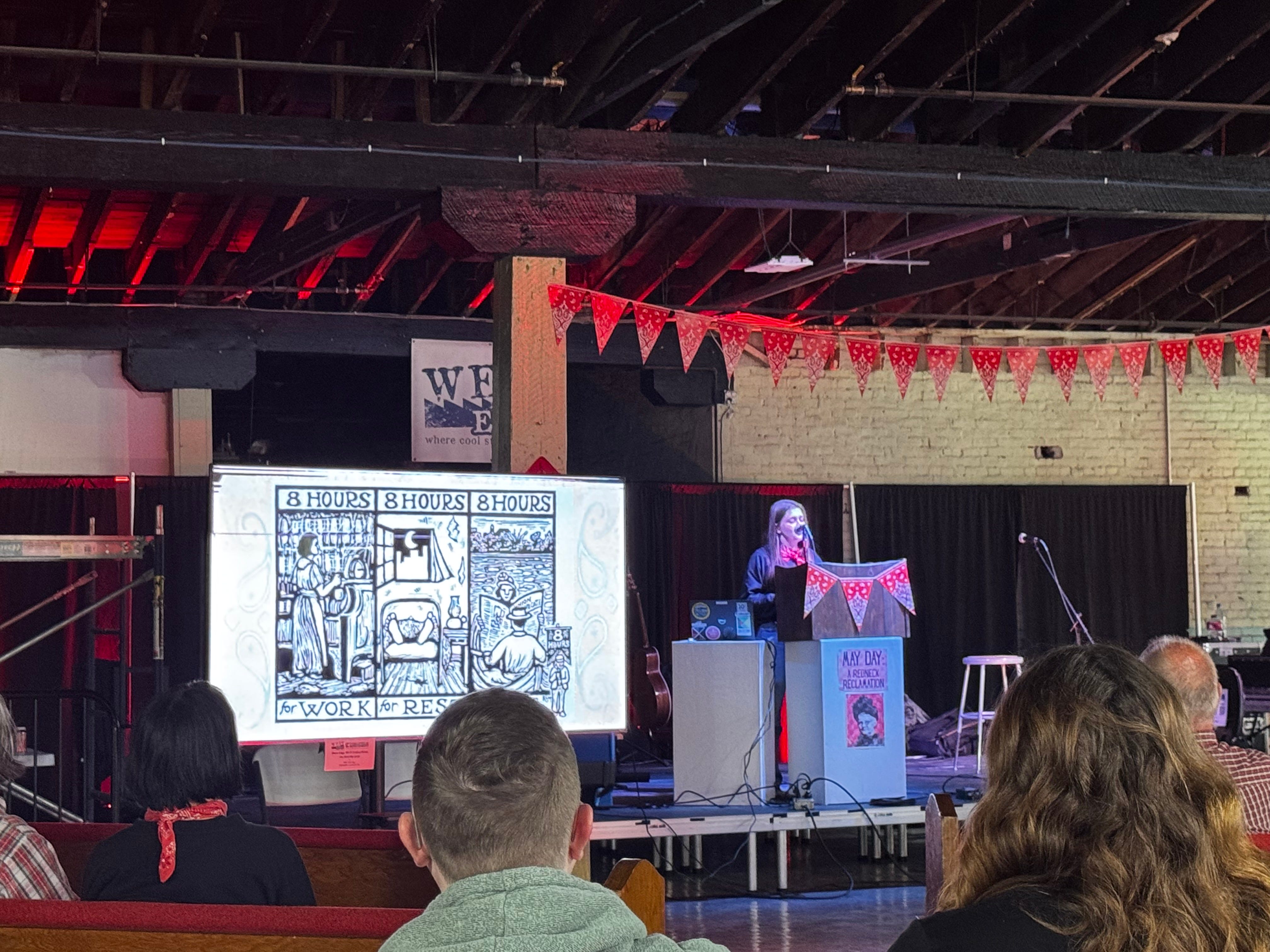
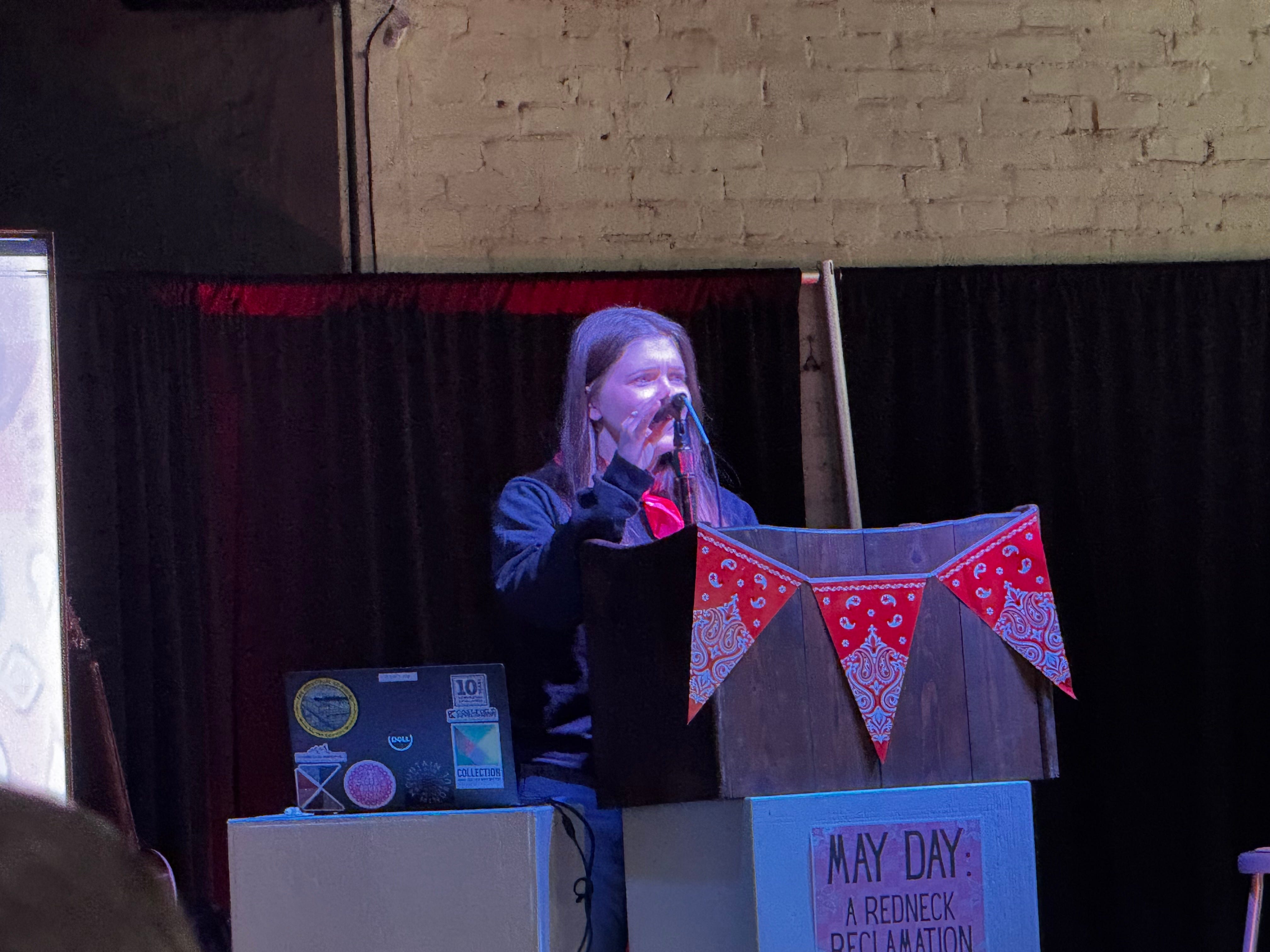
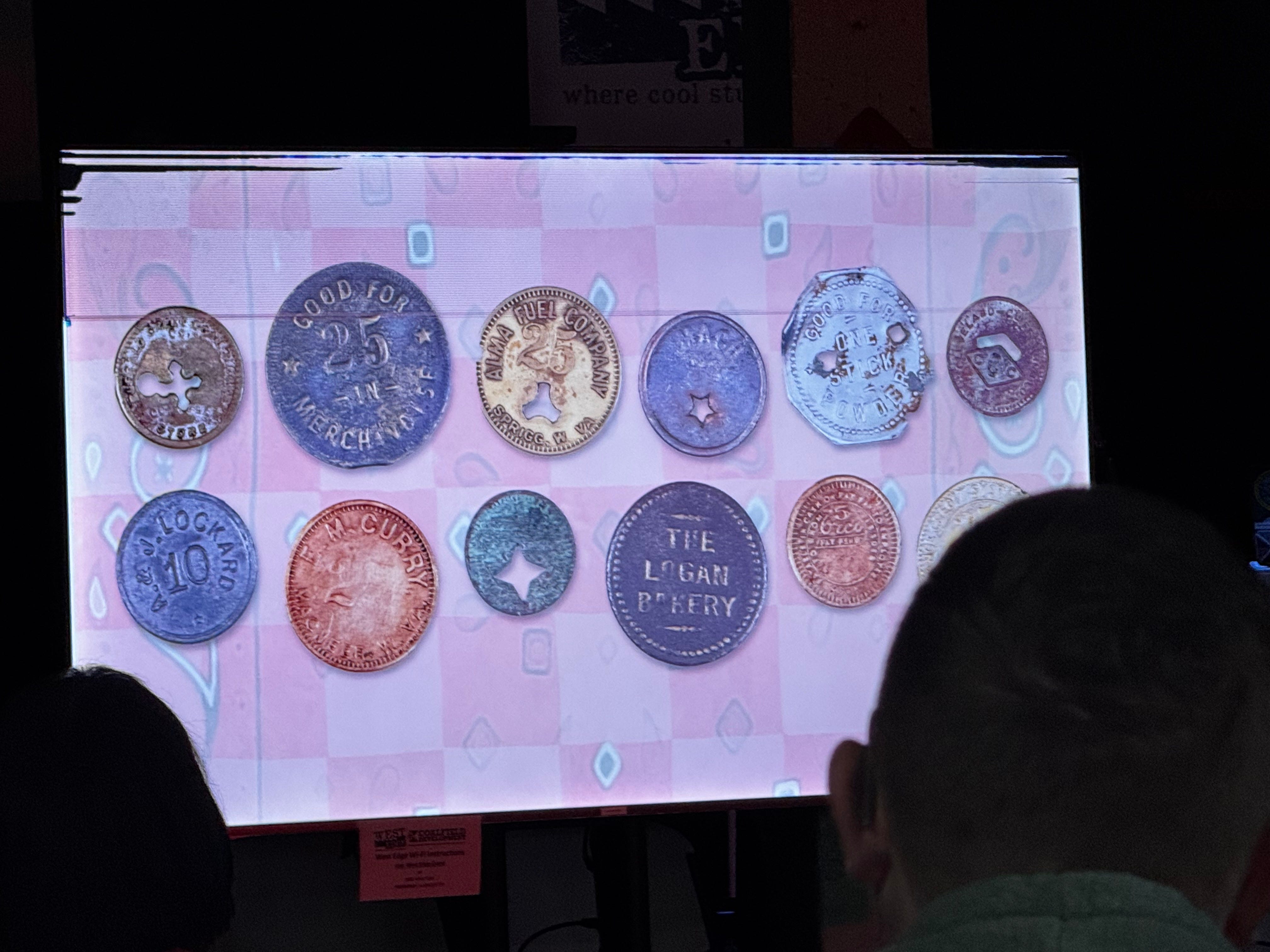
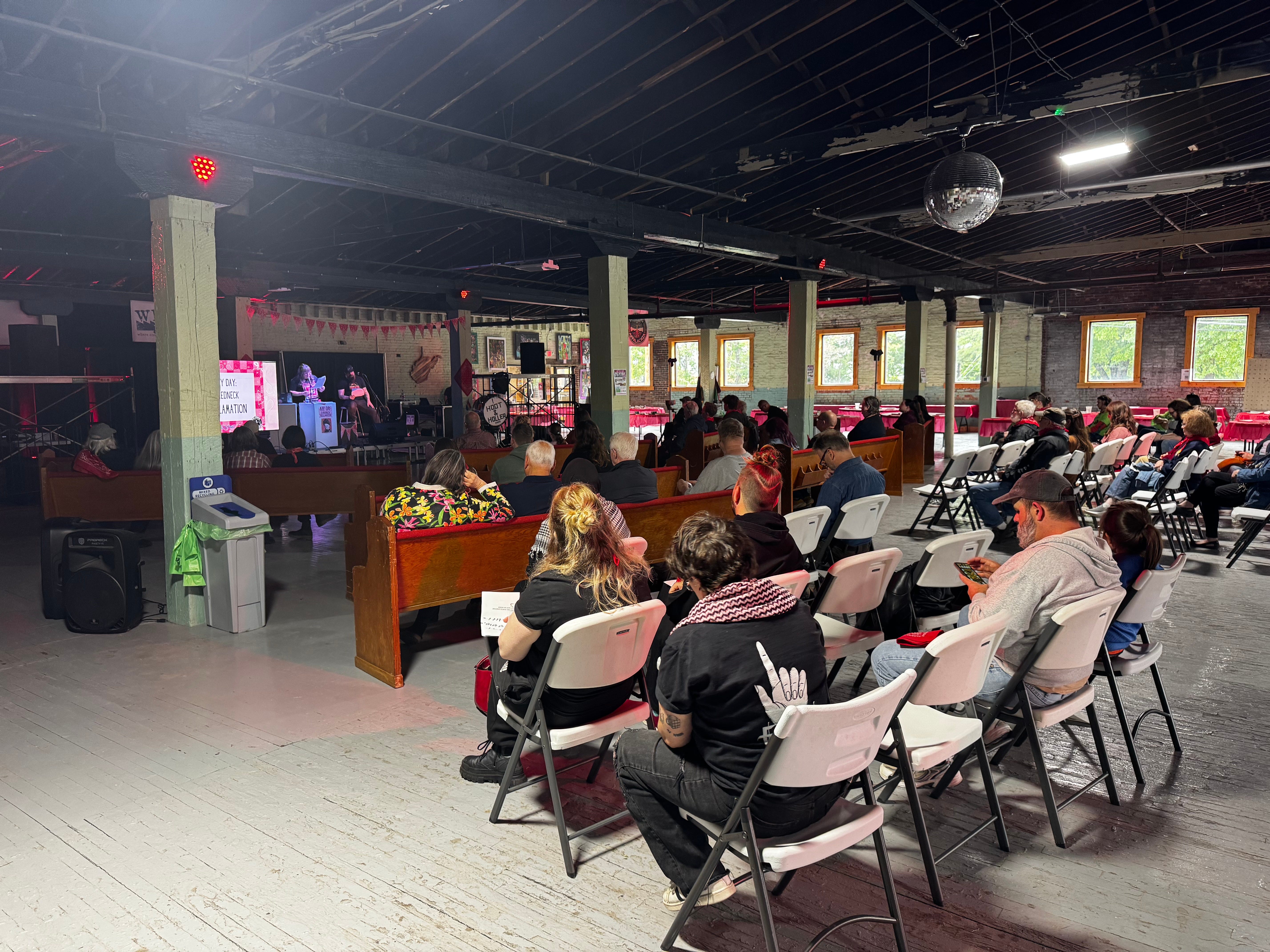
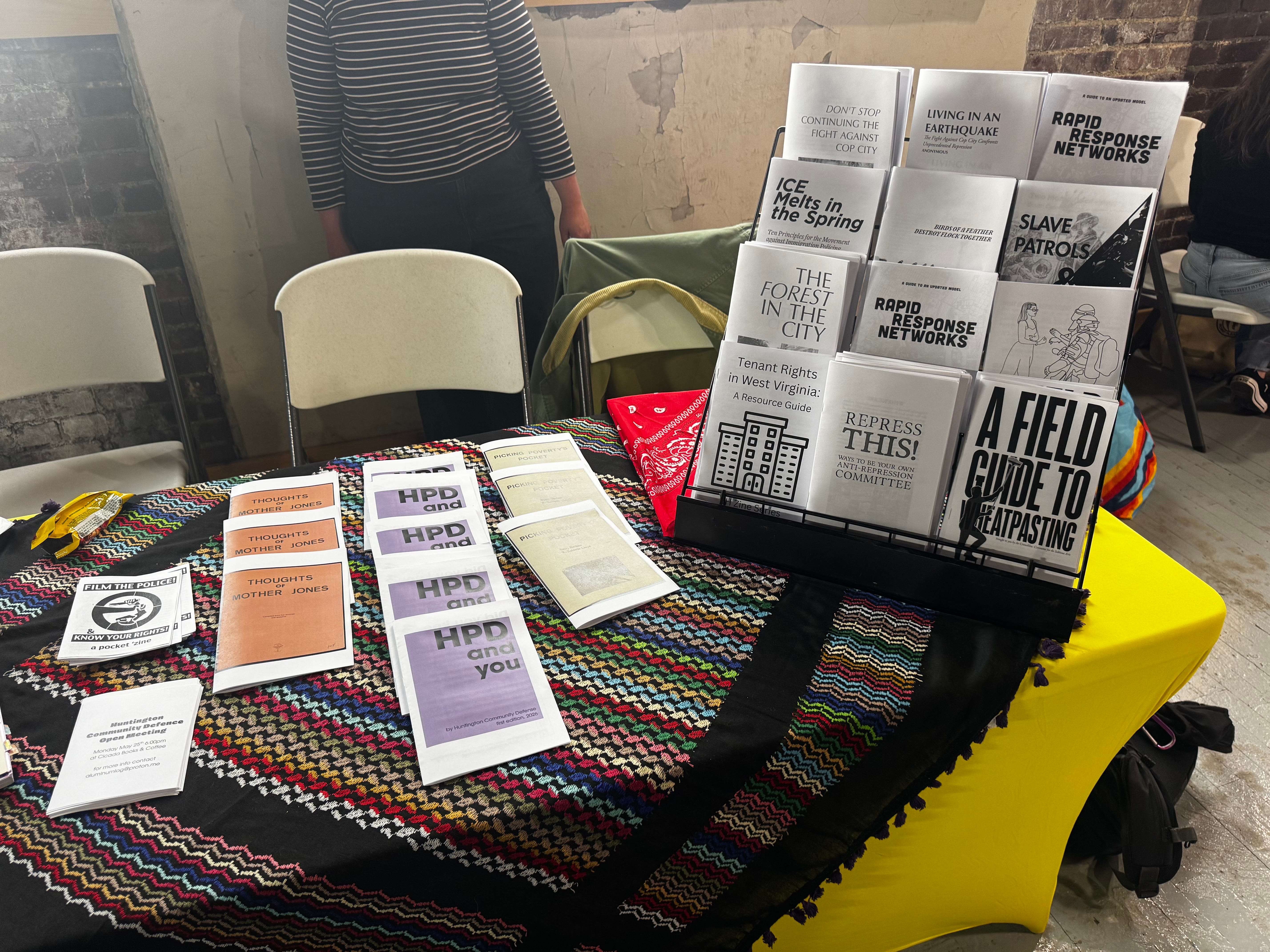
Yesterday I attended an event called “Redneck Reclamation” put on by transgender artist Sassa Wilkes and community matriarch Gina Milum at a local community space called The West Edge Factory. The West Edge Factory was once the Corbin, Ltd. garment factory, that, after its abandonment in 2002, was repurposed a decade later by Coalfield Development into a community space that hosts local artists, vocational training, and agriculturists. If there is any place that truly embodies the spirit of Appalachia, its West Edge. After all, we’ve always created beauty, culture, and resilience in abandoned places. And it's always been created by outcasts, immigrants, colonized people, queer people, and women. The same folks that have always held the torch still hold it today.
I wasn’t expecting the emotional reaction I had when I walked into the Redneck Reclamation. All the people from all walks of life in their red bandanas, so many of which had been told by MAGA that they didn’t belong here. That we were somehow “ruining things”. That we were “destroying the culture”. No, we are the culture. The builders. The creators. The keepers of tradition and the collectors of stories. It is us. The “conservatives” are conserving nothing. They’d be more than happy to bury it all, burn it all, and sell the ashes to the highest bidder. Appalachia was built for us. By us. All those women, those artists, those historians and workers and immigrants. And we told stories. So many stories. We played music. We danced. We laughed. We ate Pepperoni Rolls and drank sweet tea.
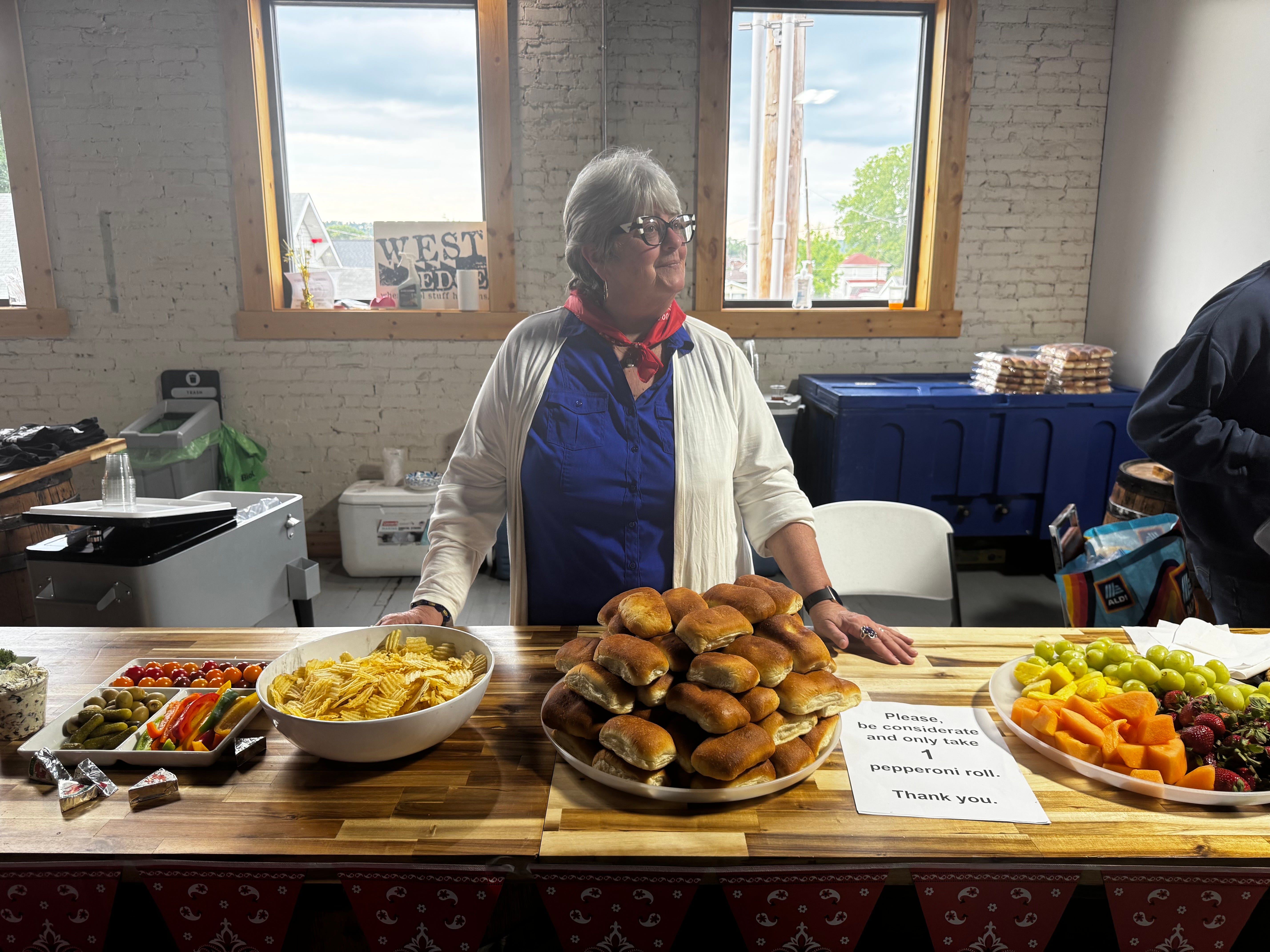
I cried. One of those big, ugly cries that made me have to excuse myself. This is what we could be.
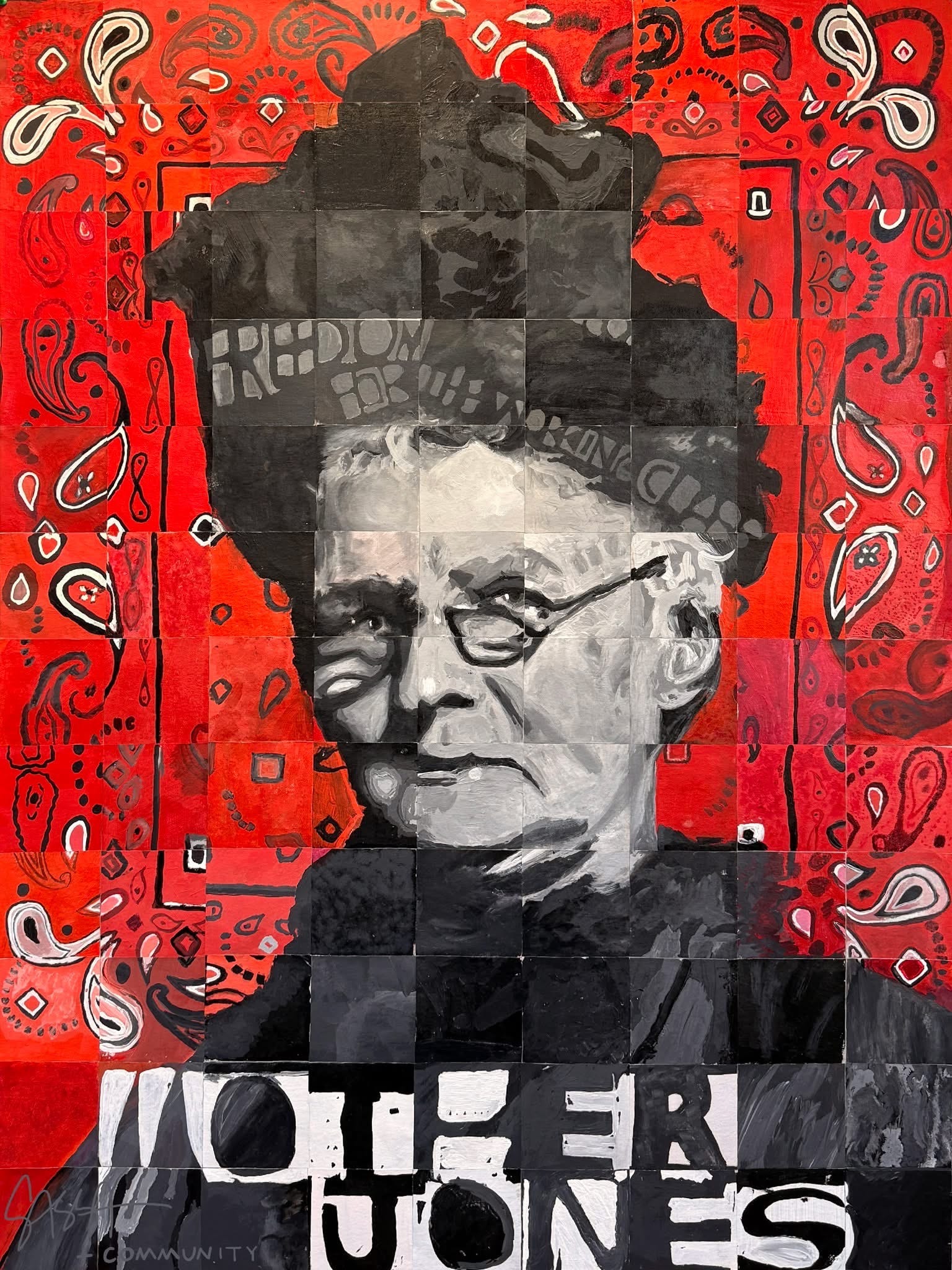
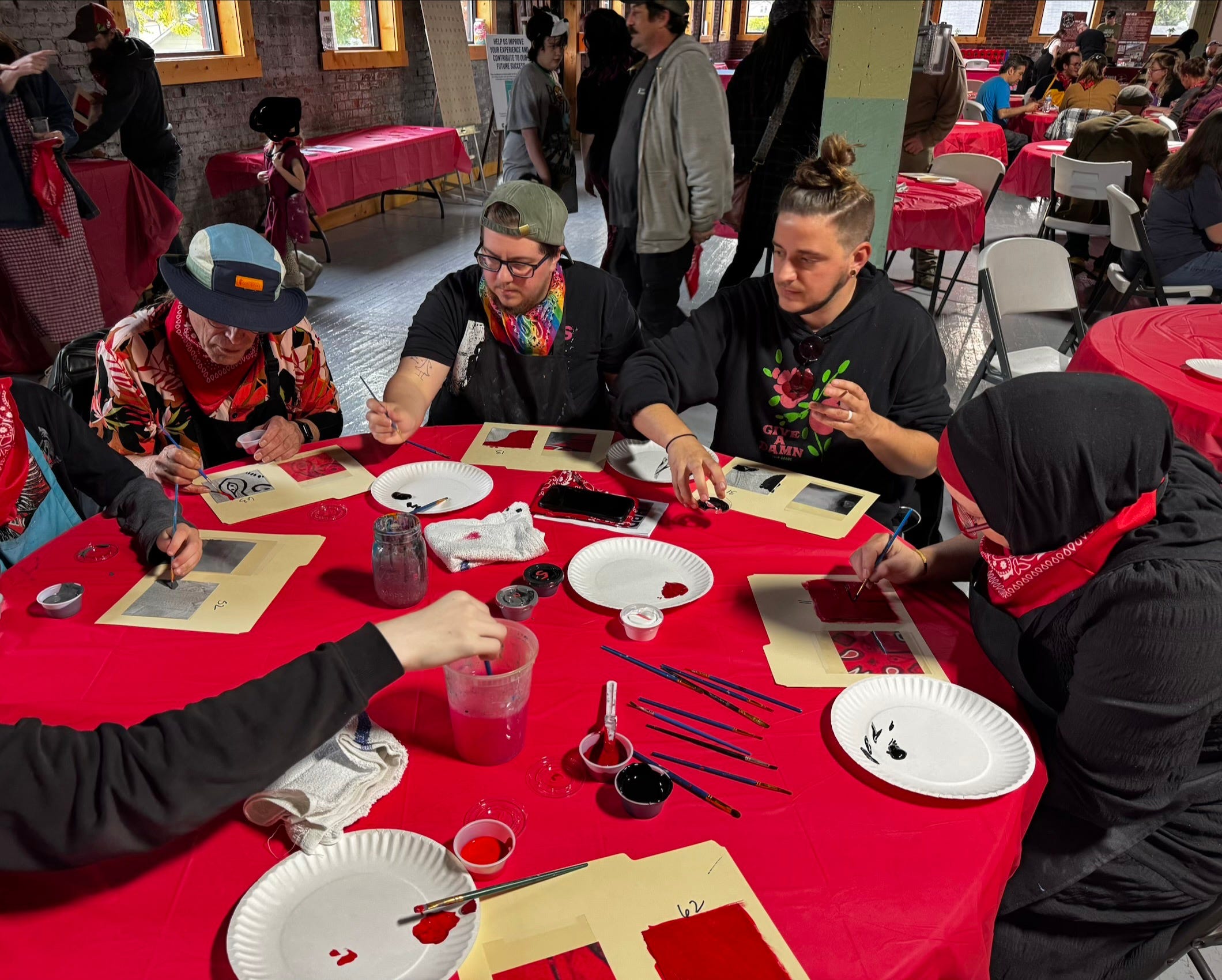
At the end, Sassa invited us to create a painting of the late, great Sid Hatfield, one of many labor rights heroes that, when combined, would create a mural. Each of us would take a square, part of the paintings that Sassa himself had already created, and we would recreate that square with our own hands. Then the squares would be placed together to recreate the painting anew, a piece built by all of us, for all of us. A mural built not by one painter, but by the community. Each square imperfect, unique, and important, sewn together like a quilt, sustained not by our political power or isolationism, but by our diversity, our community, and our stories.
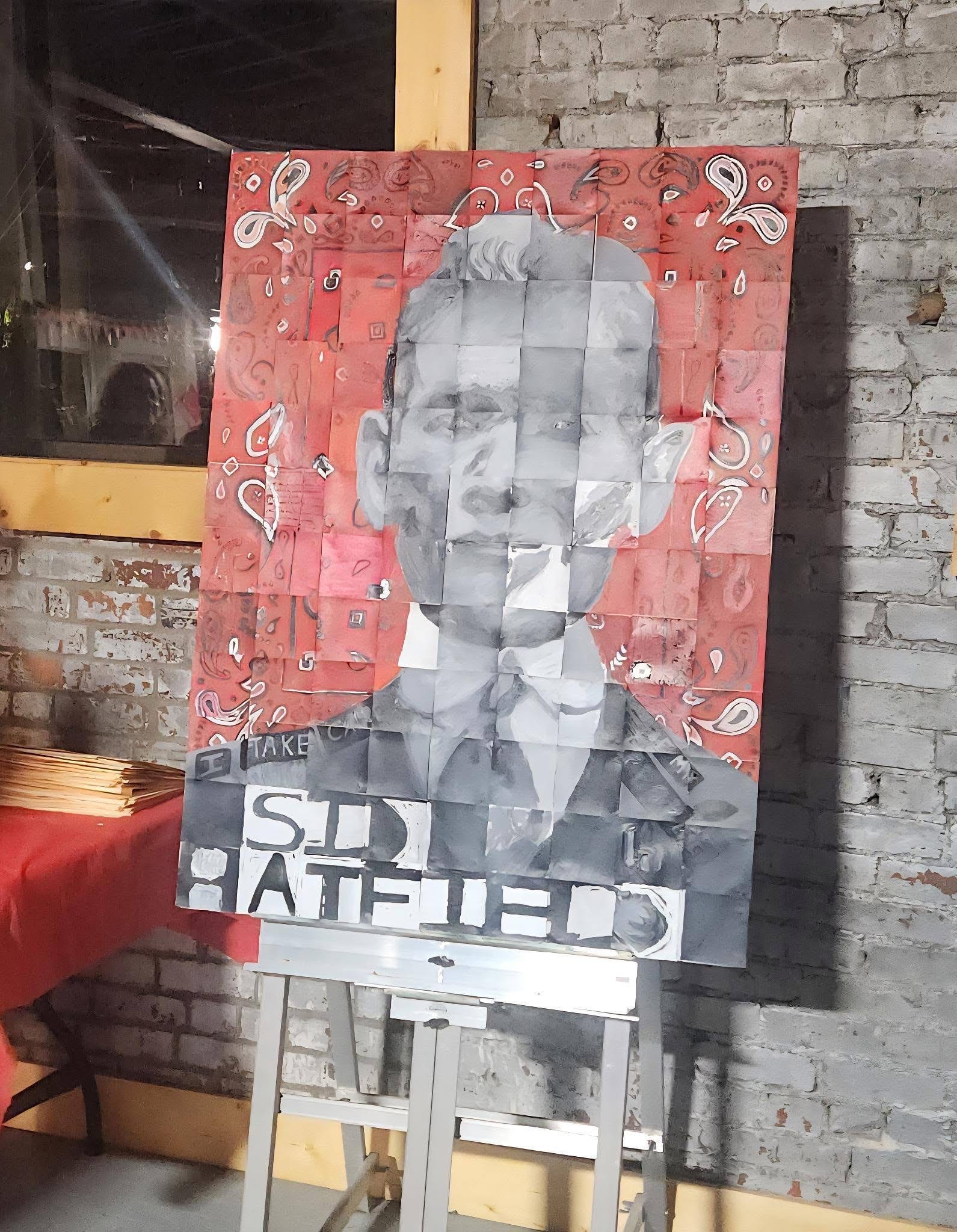
That is what Appalachia is. What it is meant to be. A place defined not by its bigotry, its poverty or its addiction, but instead defined by its diversity, creativity and resilience. A place that understands there is strength in numbers and that the best way to keep yourself safe is to ensure that your neighbor is safe. An Appalachia that does not let its mountains become walls, but instead treats them as a warm bosom where everyone is invited. An outstretched hand that longs to hold the tired, the poor, the huddled masses yearning to breathe free. A place where the red bandana yet again becomes a symbol of strength, ingenuity and perseverance.
Yes, I’m a redneck. I’ve always been a redneck. I’ll always be a redneck. Inshallah and the creek don’t rise.
“Inshallah and the creek don’t rise” I love you pop pop
Thanks for sharing